Walmart is one of the most popular places in the U.S. to shop on a budget because it combines everyday low pricing with frequent promotions, seasonal sales, and easy pickup and delivery options. But saving money at Walmart is not only about finding a “coupon code.” Most real savings come from using Rollbacks, clearance timing, price drops, and smart shopping habits like list-building and comparing options before you buy.
This guide is written for beginners. You do not need special tools, paid memberships, or extreme “hacks.” You just need a simple routine you can repeat each time you shop. Along the way, you will see links to deal pages on CouponEssentials so you can quickly browse offers by store and category:
1) Why Walmart is popular for budget shopping
Walmart’s big advantage is scale: it sells a huge range of products—from groceries and household essentials to electronics and seasonal items—often at competitive everyday pricing. Walmart also runs temporary price reductions (Rollbacks), clearance markdowns, online promotions, and store-specific deals. For shoppers, that means you can often save money by watching timing and choosing the right shopping method (in-store vs. online vs. pickup).
Walmart promotions can change quickly. A deal that exists today may end tomorrow, and a promo code that works once may stop working later. The goal is to build a simple saving system you can use even when a specific promo disappears.
2) Best ways to save money at Walmart (quick wins)
If you want the shortest path to savings, start here. These are the practical steps that work most often for everyday shoppers.
Start with your list (and a budget cap)
Before you browse, write a short list of what you actually need. A list reduces impulse buys, which is the #1 reason shoppers overspend. If you are shopping online, add items to your cart and wait 10–30 minutes before checking out—many “extra” items will feel less necessary after a short pause.
Check Rollbacks + clearance first
Most Walmart savings are deal-based, not code-based. Look for Rollbacks (temporary price reductions) and clearance markdowns, then compare product sizes/quantities to confirm the best unit price.
Use price-per-unit math
For groceries and household essentials, the lowest sticker price is not always the best deal. Compare price per ounce / count / pound. If you buy in bulk, make sure you will actually use the product before it expires.
Prefer “deal links” over promo-code hunting
Promo codes can be unreliable. Instead, focus on official promotions and category deal pages (for example, electronics, home, or grocery promotions). You can start with our Walmart deals page.
3) How to use Walmart Rollbacks
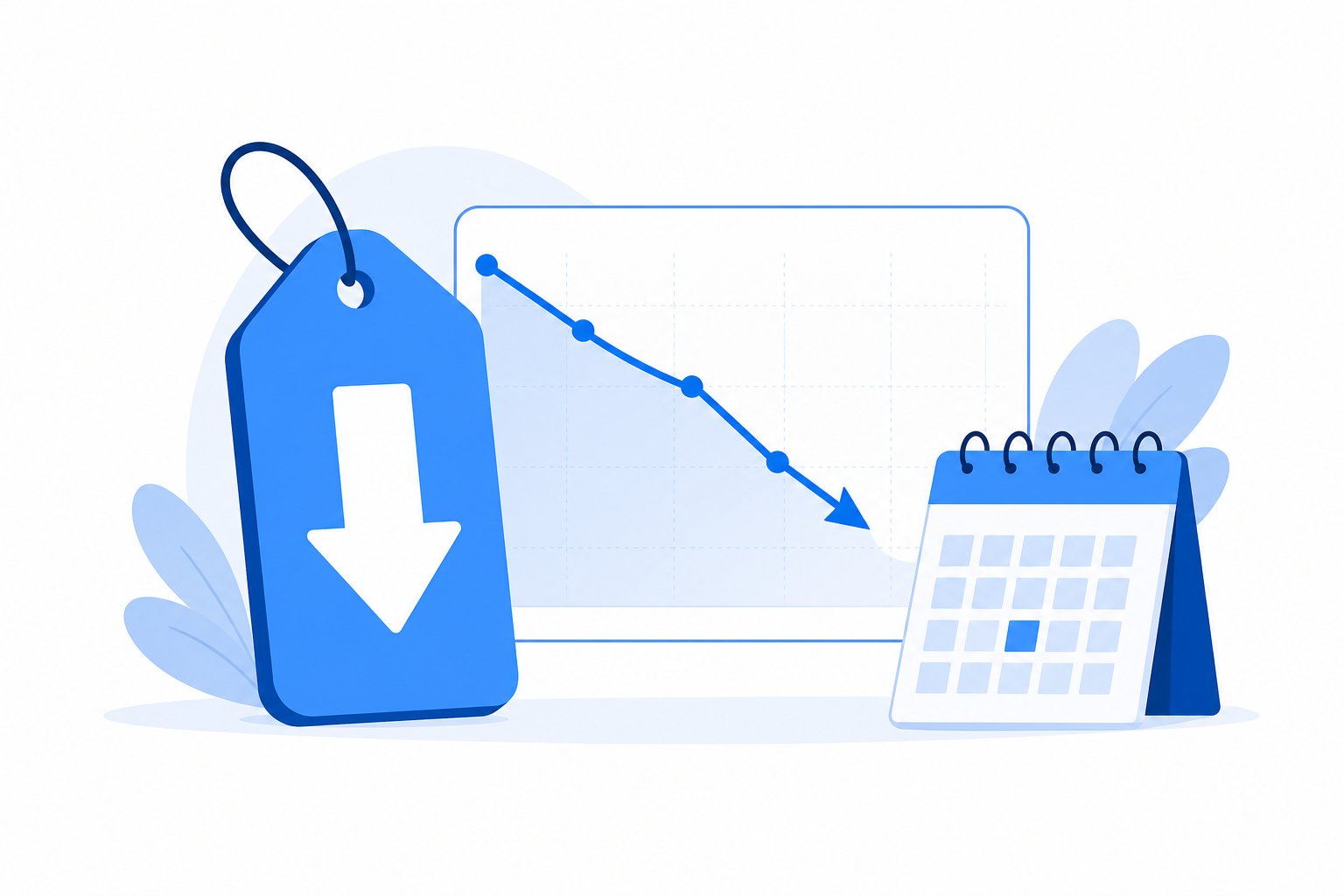
Rollbacks are temporary price reductions. They can happen online, in-store, or both. Because they are time-limited, the best way to use Rollbacks is to watch your most common purchases and buy when the price is reduced—without buying things you do not need.
Rollbacks: a simple strategy
- Identify repeat buys: detergent, diapers, pet food, pantry staples, and personal care items.
- Wait for a price drop: if you have time, don’t buy immediately—watch the price for a few days.
- Stock up carefully: stock up only on items you will use before they expire.
Rollback vs. clearance vs. Walmart Cash
| Type | What it is | Best for | Watch out for |
|---|---|---|---|
| Rollback | Temporary price reduction | Planned purchases you can time | Deal may end quickly |
| Clearance | Markdown to clear inventory | Seasonal/limited items | Sizes/colors may be limited |
| Walmart Cash | Promotional currency for Walmart account holders | Stacking value on eligible promos | Eligibility rules vary; may expire |
4) How to find clearance deals
Clearance is where you can sometimes find the biggest markdowns, but it is also where shoppers make the most mistakes. Clearance items may be final sale, low stock, or limited in sizes/colors. The best approach is to treat clearance as “bonus savings” on items you already wanted—not a reason to buy random things.

Clearance tips that work
Shop seasonal transitions
When seasons change, Walmart often discounts seasonal inventory (holiday décor, summer outdoor items, back-to-school, winter gear). If you can buy off-season, you can often save the most.
Check endcaps and clearance aisles in-store
In many stores, clearance items are grouped in specific areas. If you are shopping in-store, take a quick walk through clearance sections before you pick up full-price alternatives.
Compare online vs. store pricing
Sometimes online pricing differs from in-store pricing. Before checkout, compare quickly online. If you find a better option, choose the cheaper route (pickup can be a good middle ground).
Look for “open box” or refurbished electronics carefully
These can be excellent deals, but always check return policy, warranty details, and condition notes. Buy only if you are comfortable with the terms.
5) Walmart Cash & manufacturer offers (what to know)
Walmart Cash is a promotional currency available to customers with a Walmart account. Eligibility depends on the specific promotion. In general, you should treat Walmart Cash as a bonus on top of a good deal—not the only reason to buy.
Manufacturer coupons are different from store promos. Walmart generally accepts eligible paper manufacturer coupons, but rules can change by location and over time. Always review Walmart’s current coupon policy before planning a big coupon trip. If you are new to coupons, start with just one or two manufacturer coupons on items you already buy.
Simple stacking mindset (beginner-friendly)
- Start with a good base price (Rollback or already competitive price).
- Add a promotion (if available) such as Walmart Cash.
- Use manufacturer coupons only if you understand the policy and the coupon is eligible.
6) How to save on groceries
Groceries are where small savings add up quickly. If you save a little on staples every week, it can have a bigger impact than chasing big discounts on rare purchases.

Grocery savings moves
Build a “staples list”
Keep a repeat list of your most common purchases (rice, pasta, snacks, cleaning supplies, diapers, pet food). When you see a good price drop, you can buy confidently because you know you will use it.
Compare size and unit price
Use price-per-unit comparisons (per oz, per lb, per count). A larger size is not always cheaper per unit—especially for snacks and convenience items.
Use pickup to avoid impulse buys
If you tend to overspend in-store, try ordering groceries for pickup. You can see your total before checkout and remove “nice to have” items more easily.
Track weekly needs vs. monthly stock-ups
Separate essentials you need weekly (fresh produce, dairy) from items you can stock monthly (toilet paper, laundry detergent). Plan stock-ups when prices are favorable.
Want to browse food-related promos across stores? Use our Grocery deals page.
7) How to save on electronics
Electronics deals can be excellent, but it’s easy to overpay if you buy the wrong model or miss an important detail (storage size, generation, warranty). Use these tips to shop smarter.
Electronics checklist (before you buy)
- Confirm the exact model number and key specs (storage, size, generation).
- Check return policy and warranty details.
- Compare with other retailers, especially for big-ticket items. You can compare with Best Buy deals.
- If the deal is time-limited, take 5 minutes to verify reviews and specs to avoid regret buys.
For category-level browsing, visit our Electronics deals page.
8) Clothing, home, beauty & personal care
Many shoppers save the most in these categories by timing purchases around seasonal markdowns and buying basics when prices dip.
Clothing
- Buy basics (socks, tees, kids essentials) when you see a solid price—these are repeat buys.
- Shop end-of-season clearance for jackets, swimwear, and holiday-themed items.
Home & kitchen
- Watch for seasonal resets (storage, small appliances, home décor).
- For big items, compare similar options and read dimensions carefully.
Beauty & personal care
- Buy when you need it soon, not at the last minute.
- Compare price-per-ounce; smaller packages can be more expensive.
If you also shop Target for these categories, compare promotions using our Target deals page.
9) Walmart+ savings and when it may be worth it
Walmart+ can be useful for shoppers who regularly order for delivery, use pickup services often, or frequently buy items shipped to home. Whether it is “worth it” depends on how often you use the benefits. If you rarely order delivery or shipping, a membership may not pay off.
How to decide (simple math)
- If you order delivery/shipping often, estimate how much convenience and fees you avoid per month.
- Compare that to the membership cost and your budget.
- If you only order occasionally, you may be better off using free-shipping thresholds or pickup.
10) Pickup, delivery & free shipping savings tips
One of the easiest ways to save money is to reduce “extra spending” caused by time pressure, multiple trips, and impulse purchases.
Use pickup for planned shopping
Pickup helps you stick to the list. You also avoid walking past impulse items at checkout.
Combine orders
Instead of placing multiple small orders, combine items into one order when possible to reduce fees and simplify returns.
Check shipping minimums
Free shipping thresholds change over time. If you are just below the minimum, consider adding a needed staple instead of a random add-on.
Avoid “rush” purchases
Last-minute shopping tends to be expensive. When possible, buy essentials early and use your list to prevent overbuying.
11) Seasonal sale tips (Black Friday, back-to-school, holidays)
Seasonal sales are great for planned purchases. The key is to decide what you need in advance, then buy when prices are favorable.
Black Friday and holiday deals
Holiday promotions often include electronics, toys, home items, and gifts. Deals can sell out quickly, so plan by choosing acceptable alternatives (for example, two laptop models you would be happy with) instead of focusing on one exact product.
Back-to-school
Back-to-school is ideal for school supplies, kids clothing, dorm essentials, and laptops. Make your list early and buy in waves: essentials first, then upgrade items if a deal appears.
End-of-season clearance
After major holidays and at the end of seasons, you may find strong clearance pricing. Focus on practical items you will use next year (storage bins, basic décor, or seasonal clothing essentials).
12) Common mistakes shoppers should avoid
- Buying just because it’s “on sale”: a discount is not savings if you didn’t need the item.
- Ignoring unit pricing: small packages can cost more per unit.
- Chasing unreliable coupon codes: prioritize official promos and deal pages.
- Not checking return policy: especially for electronics and big-ticket items.
- Missing expiry dates: promotions can change anytime.
13) Final checklist before checkout
Confirm you actually need the item
Is it on your list? Will you use it this month?
Verify the price and terms
Check expiration dates, exclusions, and any minimum purchase requirement.
Choose the best fulfillment option
Pickup can reduce impulse buys. Shipping can save time. Pick what protects your budget.
Compare quickly
For electronics, compare with another retailer (see Best Buy deals) to confirm value.
FAQ
Does Walmart accept manufacturer coupons?
Walmart generally accepts eligible paper manufacturer coupons, but policies can change. Review Walmart’s current coupon policy before using coupons, especially if you plan a large coupon trip.
What are Walmart Rollbacks?
Rollbacks are temporary price reductions. They may end at any time, so it helps to plan purchases and buy when the price is reduced.
What is Walmart Cash?
Walmart Cash is a promotional currency available to customers with a Walmart account, depending on the promotion. Eligibility rules and expiration can vary.
Do promo codes always work at Walmart?
No. Promo codes and promotions may expire or change anytime. Focus on official promotions, Rollbacks, and clearance pricing for consistent savings.
Disclaimer: Promotions and prices can change anytime. Always review the terms on Walmart and confirm the final price in your cart before checkout.