
Table of contents
Introduction Why pet spending grows fast online Step 1: Start with a real pet-needs list Step 2: Separate essentials from fun extras Step 3: Compare size, frequency, and total cost Step 4: Use subscriptions carefully Step 5: Watch seasonal and bulk-buy traps Step 6: Build a simple monthly pet budget Step 7: Use deals and coupons the smart way Quick checklist FAQHow to Save Money on Pet Supplies Online Without Buying Too Much
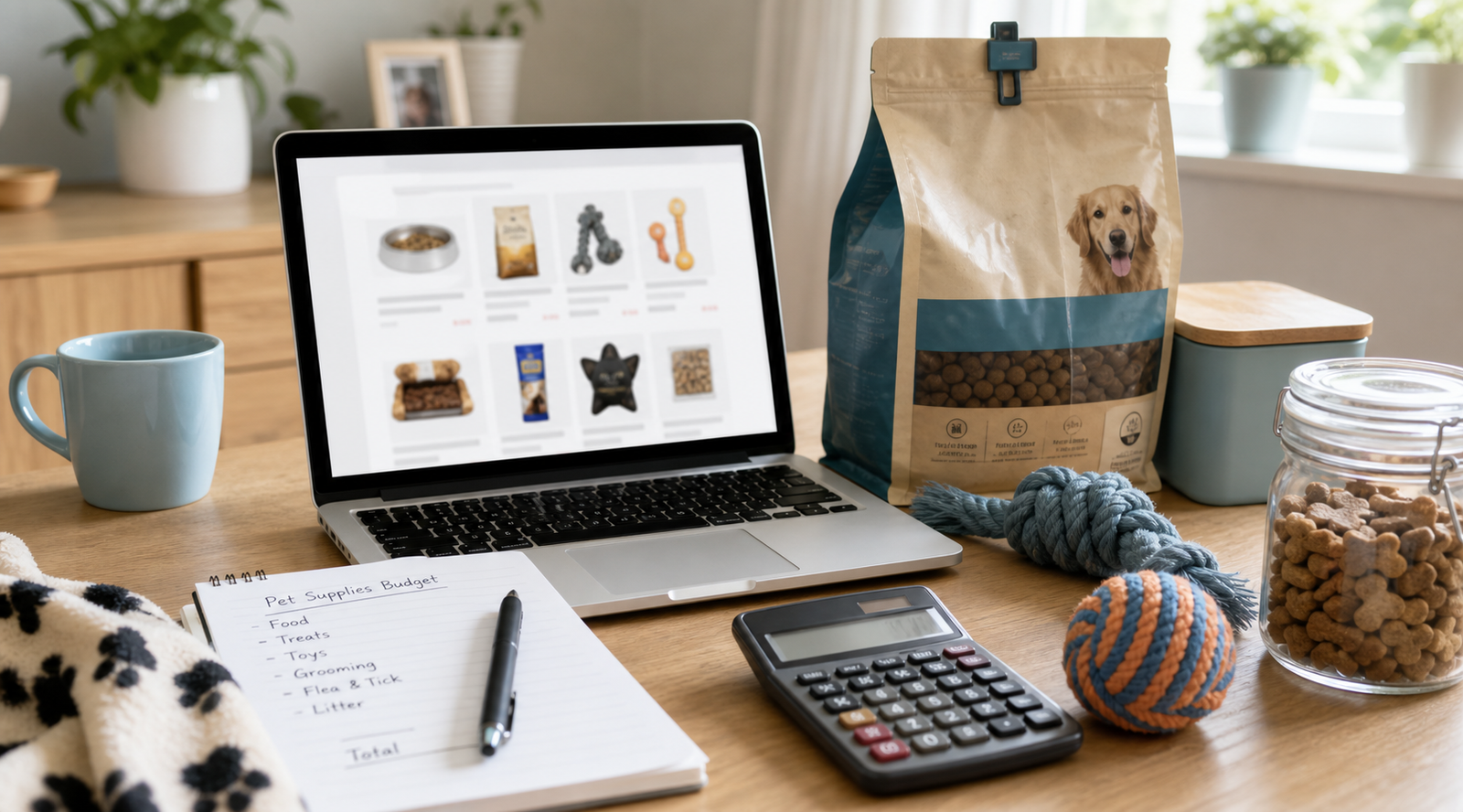
Shopping online for pet supplies can be convenient, fast, and sometimes less stressful than visiting multiple stores. It can also quietly become one of the easiest places to overspend. Pet owners usually buy with good intentions. You want your dog or cat to have enough food, healthy treats, useful grooming items, and a few fun extras. The problem is that online stores are designed to make it easy to add more than you planned. One bag of food becomes food plus treats, a new toy, a bed upgrade, a grooming brush, and a bulk refill you did not originally need.
This guide is for everyday pet owners who want to save money without feeling cheap or careless. The goal is not to cut corners on your pet’s care. The goal is to buy the right items at the right time, in the right amount. That means fewer impulse purchases, fewer forgotten subscriptions, and less money tied up in products that sit unused in a cabinet.
Helpful pages on CouponEssentials that fit well with this guide include:
Why pet spending grows fast online
Pet spending often grows faster than people expect because pet purchases feel emotionally easy to justify. If a toy looks cute, a supplement sounds helpful, or a bed appears more comfortable, it is natural to think, “It is for my pet, so it is worth it.” Sometimes that is true. But online shopping adds several layers of pressure. Stores suggest related items, promote bundle savings, highlight auto-delivery discounts, and frame extras as smart pet-parent choices. That environment can make every added product feel reasonable.
Another reason spending grows is that pet categories mix true essentials with lifestyle products. Food, flea care, litter, waste bags, and basic grooming tools are often necessary. Decorative bowls, trendy accessories, duplicate toys, and premium novelty items may be nice, but they are not always urgent. When those two groups blend together on the same screen, it becomes harder to tell which purchases are helping your budget and which ones are simply adding noise.
The good news is that pet-supply savings do not require extreme cutting. They usually come from a few repeatable habits: buying by need, watching actual usage rates, comparing unit cost, and limiting emotional extras.
Emotion matters
Pet purchases feel loving and responsible, which can make overspending easier to excuse.
Bundles feel smart
But a bundle is only helpful when you really need every item in it.
Subscriptions reduce friction
That can save money or quietly create waste, depending on how you use them.
Planning lowers stress
When you know what your pet actually uses, buying becomes much simpler.
Step 1: Start with a real pet-needs list
The easiest way to save money is to begin with a real list based on actual use. Write down the items your pet truly goes through in a normal month or quarter. For many households, that list includes food, treats, litter or waste supplies, flea or tick prevention, grooming basics, and a small replacement fund for worn toys or damaged accessories. Keep the list simple and practical.
This step matters because many people shop online for pets without a defined goal. They open a store page to reorder one item and then start browsing everything else. A short list gives structure. It helps you see whether you are restocking a real need or simply reacting to whatever looks attractive on the page.
If you have multiple pets, make the list by pet and by category. That sounds small, but it makes a big difference. You may discover that one pet’s specialty food is the real budget driver, while the other costs less overall but leads to more impulse toy purchases. Knowing this makes your decisions more accurate.
Step 2: Separate essentials from fun extras
Not every pet purchase should be treated equally. A good rule is to split your cart mentally into two groups: essentials and extras. Essentials are the items that support daily care and routine. Extras include things that are enjoyable, interesting, seasonal, or simply tempting. There is nothing wrong with extras. The problem happens when extras begin to take space away from the items you actually need to budget for.
This separation is especially useful during sales. When a store is running a pet event or showing “limited-time” pricing, people often grab several non-essential items because the discount makes them feel safer about spending. But a cheaper extra is still extra spending. If you want your shopping habits to improve, keep essentials calm and automatic, and let extras compete for a smaller, more intentional part of the budget.
Step 3: Compare size, frequency, and total cost
Saving money on pet supplies is not only about finding the lowest visible price. It is about understanding value over time. A large food bag may look better, but it is only a smart choice if your pet uses it fast enough and the product will stay fresh. A bulk box of treats may look efficient, but not if your pet loses interest halfway through. A cheaper flea-care option may appear appealing until you realize it requires more frequent replacement.
When comparing pet supplies, ask these questions:
- How long will this item actually last in my home?
- Is the larger size truly cheaper per use or only cheaper at first glance?
- Will I need to store this item carefully to avoid waste?
- Would buying slightly less reduce expired or unused products?
These questions are especially useful for food, treats, litter, and supplements. The goal is not to buy the biggest package every time. The goal is to match the purchase size to your actual pace of use.
| Purchase type | Best thing to compare | Common mistake |
|---|---|---|
| Food | Cost per feeding period | Buying a size that stays open too long |
| Treats | Use frequency and shelf life | Buying variety packs the pet will not finish |
| Litter or waste bags | Per-unit cost and storage space | Overbuying because the bundle looks efficient |
| Grooming and care | Replacement timing | Buying backups before the first one is even needed |
Step 4: Use subscriptions carefully
Auto-delivery and subscription discounts can be genuinely useful for predictable items like food, litter, or routine care products. But subscriptions only help when the timing matches your real usage. If boxes arrive too early, you start storing too much. If they arrive too late, you rush into emergency orders at higher prices. If you forget a subscription is active, you can easily pay for items you did not need yet.
The best way to use subscriptions is to treat them as a maintenance tool, not a default setting. Review delivery dates often. Adjust quantity when needed. Pause items when your pet is using products more slowly. Cancel anything that no longer fits your routine. A discount is not a saving if it locks money into products that pile up unused.
Step 5: Watch seasonal and bulk-buy traps
Pet shopping has seasonal pressure just like other categories. During holidays, summer travel, back-to-school routines, or large retail events, stores highlight costumes, travel accessories, cooling mats, gift boxes, and novelty bundles. Some of these items may be useful, but many are easy impulse buys. The question to ask is simple: will this product improve my pet’s routine enough to justify the cost, or is it mostly attractive because it feels timely?
Bulk buying can create the same problem. Shoppers often assume that more volume automatically means more savings. That is not always true. If the product takes too long to use, requires careful storage, or simply adds clutter, the budget benefit becomes smaller than expected.
Step 6: Build a simple monthly pet budget
You do not need a complicated budget for pet care. A simple three-part structure works for many households:
- Routine essentials: food, litter, basic care
- Expected extras: treats, toy replacements, minor convenience items
- Occasional needs: grooming tools, seasonal accessories, travel items
This structure makes it easier to see whether your spending is stable or drifting. If routine essentials are under control but expected extras keep growing, you know where to adjust. If occasional needs appear too often, the issue may be impulse buying disguised as preparation.
Step 7: Use deals and coupons the smart way
Deals and coupons work best when they support planned buying. If a coupon lowers the cost of food you already needed to reorder, that is useful. If a sale convinces you to buy multiple pet accessories you never planned to get, the discount may not help your actual budget. The strongest habit is to start with the need, then look for the saving, instead of starting with the saving and inventing a need around it.
This is where CouponEssentials can help. Begin with your list, use store and deals pages to narrow the search, and let coupons support intentional purchases. That keeps the cart cleaner and the budget more stable.
Quick checklist
- Start with a real restock list.
- Separate essentials from extras.
- Compare total value, not only package size.
- Review subscription timing often.
- Be cautious with seasonal pet bundles.
- Use deals to support planned purchases, not create new ones.
Saving money on pet supplies does not mean buying less care. It means buying with more clarity. When your shopping follows your pet’s real needs instead of the store’s sales flow, you spend better and feel better about what comes home.
FAQ
Are pet supply subscriptions worth using?
They can be worth it for predictable essentials like food or litter, but only when delivery timing and quantity match your real usage. Otherwise they can create waste and unnecessary spending.
Is bulk buying pet supplies always cheaper?
Not always. Bulk purchases only save money when the product will be used in time, stored well, and actually fits your pet’s routine without creating waste.
What is the easiest first step to reduce pet-supply overspending?
Create a simple list of true recurring needs before you open any store page. That one step reduces emotional and impulse purchases more than most shoppers expect.